
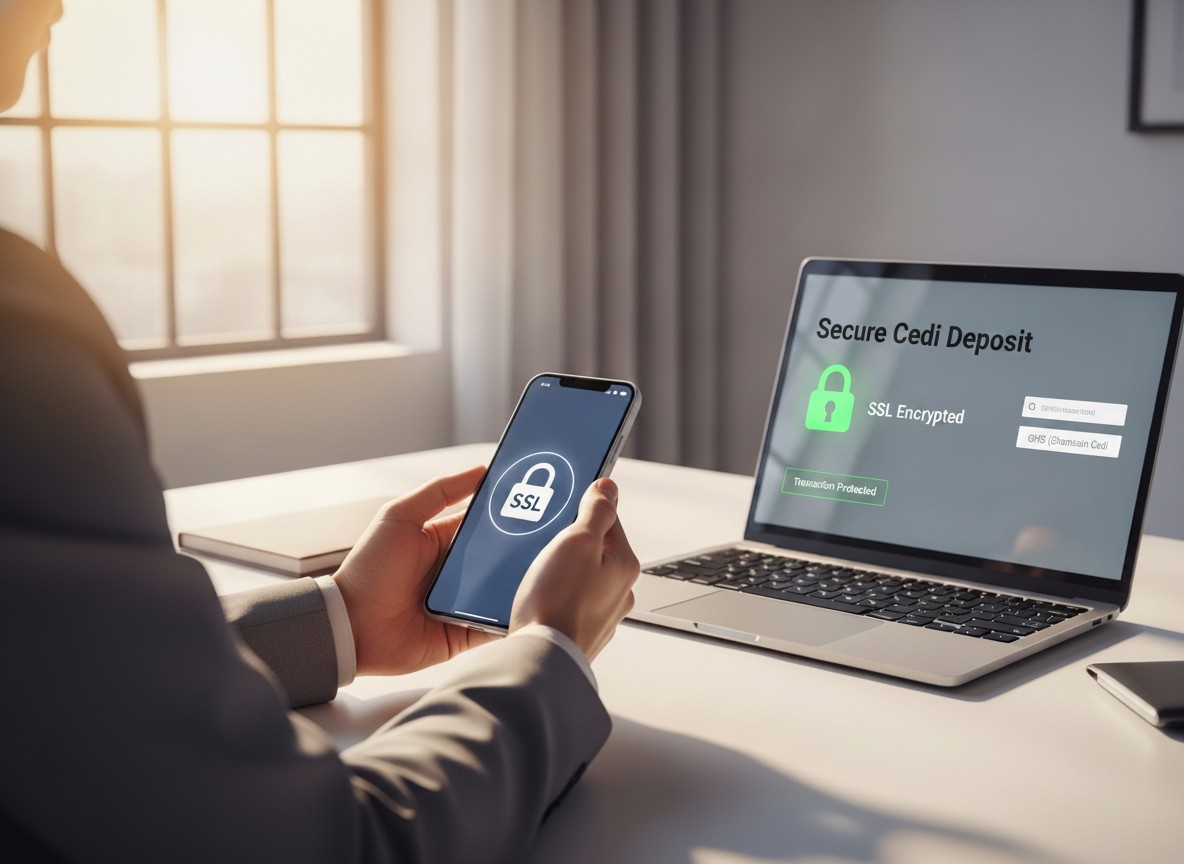
SSL encryption forms the backbone of secure online casino deposits for Ghanaian players using cedi payments. When you deposit through mobile money, Mastercard, or other payment methods, SSL certificates protect your sensitive financial information from interception by malicious actors. For Ghana’s growing online casino community, understanding how SSL works with popular local payment methods like MTN Mobile Money, Vodafone Cash, and bank transfers can mean the difference between safe gaming and financial fraud.
Ghana’s unique payment landscape, dominated by mobile money transactions and emerging card usage, requires specific security considerations that generic SSL guides often miss. This article provides practical steps to verify encryption before making any cedi deposit, focusing on the visual indicators and security checks that matter most to local players navigating cashier pages and deposit confirmations.
Why SSL Matters for Cedi Deposits in Ghana
SSL encryption serves as the fundamental security layer protecting deposit pages and login forms at online casinos. When you enter your mobile money PIN, card details, or account credentials, SSL certificates ensure this sensitive data travels encrypted between your device and the casino’s servers. For Ghanaian players, this protection becomes especially critical given the high volume of mobile money transactions and the increasing sophistication of cybercriminals targeting digital payments.
The connection between SSL and safe cedi payments extends beyond basic data protection to encompass trust in Ghana’s online casino ecosystem. Licensed operators invest in robust SSL implementation because they understand that player confidence depends on demonstrable security measures. When players see the padlock icon and HTTPS prefix, they’re witnessing the visible signs of an encrypted connection that protects their cedi deposits from interception.
Ghana’s mobile-first payment culture makes SSL verification even more important, as players frequently deposit using smartphones over cellular networks. These connections, while generally secure, benefit significantly from the additional encryption layer that properly implemented SSL certificates provide during the deposit process.
What SSL Does During a Casino Deposit
SSL encryption works by creating a secure tunnel between your browser and the casino’s servers, protecting sensitive information like login credentials and payment details from being intercepted. When you enter your mobile money PIN or card number, SSL ensures that this data appears as scrambled code to anyone attempting to monitor your internet traffic.
During the login process, SSL protects your username and password from being captured by malicious actors. This protection continues through the deposit form, where your payment method details, transaction amounts, and confirmation steps all benefit from the same encryption standards that banks use for online transactions.
Why Ghana Players Should Care About Secure Payment Channels
Fraud prevention represents the most immediate benefit of SSL-protected deposits for Ghana players. Without proper encryption, criminals can intercept mobile money PINs, card numbers, and account credentials, leading to unauthorized transactions and compromised accounts. SSL creates a barrier that makes such interception technically difficult and economically unfeasible for most fraudsters.
Data safety concerns extend beyond immediate financial loss to include long-term privacy protection. Ghana’s data protection regulations emphasize the importance of securing personal information, and casinos using proper SSL implementation demonstrate compliance with these standards while protecting player privacy throughout the deposit process.
How to Verify a Casino Is SSL-Protected
Verifying SSL protection before making cedi deposits requires checking several key indicators that confirm proper encryption implementation. These verification steps help distinguish legitimate, secure casinos from potentially fraudulent sites that may compromise your payment information. Understanding these checks protects your funds while ensuring compliance with Ghana’s online security best practices.
Browser-based verification tools provide the most accessible method for confirming SSL protection without requiring technical expertise. Modern browsers display clear visual indicators when SSL certificates are properly configured, making it easy for Ghana players to verify security before proceeding with deposits.
| Check | What to look for | Why it matters |
|---|---|---|
| HTTPS prefix | URL starts with https:// not http:// | Confirms encrypted connection is active |
| Padlock icon | Closed padlock in address bar | Visual confirmation of SSL certificate validity |
| Certificate details | Click padlock to view certificate information | Verifies certificate isn’t expired or invalid |
| Security warnings | No browser warnings about insecure connection | Absence of warnings indicates proper SSL setup |
| Cashier page security | Deposit forms show same security indicators | Ensures payment forms are encrypted too |
Visual Checks in the Browser Bar and Cashier
- Look for the padlock icon in your browser’s address bar, which should appear closed and unbroken when SSL is properly configured
- Verify that the URL begins with “https://” rather than “http://” especially when entering the cashier or deposit sections
- Check for any security warnings or notifications from your browser indicating potential certificate problems
- Confirm that the padlock remains visible throughout the deposit process, including on payment confirmation pages
- Click the padlock icon to view certificate details and verify the certificate is issued to the correct casino domain
- Ensure no mixed content warnings appear, which could indicate some page elements aren’t properly secured
Deposit Methods Commonly Used with Cedi Payments
Ghana’s online casino players primarily use mobile money services, bank cards, and bank transfers for cedi deposits, each requiring different SSL considerations. Mobile money platforms like MTN Mobile Money and Vodafone Cash integrate with casino cashiers through secure APIs that depend on SSL encryption for transaction safety. Understanding how SSL protects each payment method helps players make informed decisions about their preferred deposit options.
The relationship between payment methods and SSL protection varies based on how each service handles the handoff between the casino’s cashier and the payment processor. Some methods, like direct card entry, require SSL throughout the entire transaction process, while others, like mobile money redirects, rely on SSL during the initial authentication phase before transferring to the service provider’s secure environment.
| Method | Typical SSL relevance | Notes for Ghana players |
|---|---|---|
| MTN Mobile Money | Critical for API communication and PIN entry | Verify SSL before entering mobile money PIN |
| Vodafone Cash | Protects account details during transaction setup | Check padlock before confirming payment details |
| Mastercard/Visa | Essential for card number and CVV protection | Look for PCI DSS compliance alongside SSL |
| Bank Transfer | Secures account numbers and routing information | Verify encryption on bank detail entry forms |
Mobile Money and SSL in the Cashier
Mobile money transactions through casino cashiers rely on SSL encryption to protect the initial authentication process where players enter their mobile numbers and authorize payments. The SSL connection secures the communication between the casino and mobile money service providers, ensuring that transaction requests and confirmations can’t be intercepted or modified during transmission.
When using MTN Mobile Money or Vodafone Cash for cedi deposits, players should verify SSL protection is active before entering any mobile money PINs or confirming transaction amounts. The encryption protects not only the payment authorization but also prevents criminals from capturing mobile numbers and transaction patterns that could be used for future fraud attempts.
Card Deposits, PCI DSS, and Encryption
Card deposits require the highest level of SSL protection due to the sensitive nature of credit and debit card information. PCI DSS compliance standards mandate that any website handling card data must implement proper SSL encryption, making it a legal requirement rather than just a security recommendation for licensed casinos accepting Mastercard and Visa payments from Ghana players.
SSL encryption works alongside PCI DSS requirements to create multiple layers of protection for card details including the card number, expiration date, and CVV code. Players should never enter card information on sites lacking proper SSL certificates, as this violates international payment security standards and puts their financial information at serious risk of theft.
Licensed Casinos, Trust Signals, and Security Standards
Licensed online casinos typically display multiple trust signals that work together with SSL certificates to demonstrate their commitment to player security. These operators understand that SSL represents just one component of a comprehensive security framework that includes regulatory compliance, data protection measures, and transparent business practices.
Professional operators combine SSL implementation with other visible security measures to build player confidence and meet regulatory requirements in jurisdictions that serve Ghana players. The presence of multiple trust signals indicates a casino’s investment in long-term player relationships rather than short-term profit extraction.
- Valid gaming licenses from recognized jurisdictions provide regulatory oversight and complaint resolution mechanisms
- SSL certificates from reputable certificate authorities ensure encryption meets international standards
- Security badges from third-party testing companies verify ongoing compliance with safety protocols
- Clear privacy policies explain how player data is collected, stored, and protected throughout the gaming experience
- Responsible gambling tools demonstrate commitment to player welfare beyond just technical security measures
What a Trusted Operator Usually Shows
| Trust signal | Visible sign | Player benefit |
|---|---|---|
| Gaming License | License number and authority logo displayed | Regulatory protection and dispute resolution |
| SSL Certificate | Padlock icon and HTTPS throughout site | Encrypted data transmission protection |
| Security Testing | Third-party security badges or certificates | Independent verification of security measures |
| Privacy Policy | Clear, accessible privacy statement | Transparency about data handling practices |
| Payment Security | PCI DSS compliance statements | Industry-standard payment protection |
Risks of Depositing Without SSL Protection
Depositing at online casinos without proper SSL protection exposes Ghana players to significant financial and personal data risks that can have lasting consequences. Unencrypted connections allow cybercriminals to intercept mobile money PINs, card details, and login credentials, leading to unauthorized transactions and account compromises that may take months to resolve.
The practical impact of inadequate SSL protection extends beyond immediate financial loss to include identity theft, compromised mobile money accounts, and potential fraud across other financial services. Criminal organizations often use intercepted casino payment data to attempt fraud across multiple platforms, making the initial security failure at one casino a gateway to broader financial vulnerabilities.
| Risk | What can happen | Impact on player |
|---|---|---|
| Payment Interception | Mobile money PINs captured during transmission | Unauthorized transactions and account drainage |
| Card Data Theft | Credit card numbers and CVV codes stolen | Fraudulent charges and credit damage |
| Account Compromise | Login credentials intercepted and reused | Loss of casino funds and personal information |
| Identity Exposure | Personal details captured during KYC processes | Identity theft and document fraud risks |
| Session Hijacking | Unencrypted sessions taken over by attackers | Unauthorized gameplay and financial transactions |
How Data Can Be Exposed in Transit
Unencrypted data travels across multiple network nodes between your device and the casino’s servers, creating numerous opportunities for interception. When SSL protection is absent or improperly configured, sensitive information like mobile money PINs, card numbers, and login credentials transmit as plain text that can be easily read by anyone monitoring network traffic.
Public Wi-Fi networks, cellular connections, and even home internet connections can become surveillance points for criminals using packet sniffing tools to capture unencrypted data. The technical simplicity of intercepting unprotected communications means that even moderately skilled attackers can capture and exploit deposit information from players using insecure casino sites.
Why Expired or Broken Certificates Are a Warning
Expired SSL certificates indicate that a casino has failed to maintain basic security infrastructure, suggesting potential problems with other critical security measures like payment processing and data storage. When browsers display certificate warnings, they’re alerting players to genuine security risks that shouldn’t be ignored or bypassed.
Broken certificates often result from configuration errors, expired renewals, or compromised certificate authorities, all of which create vulnerabilities that sophisticated attackers can exploit. Players encountering certificate warnings should never proceed with deposits until the casino resolves these issues, as the warnings indicate real and present security risks to their financial information.
Best Practices Before You Make a Cedi Deposit
Following a systematic security checklist before making cedi deposits helps Ghana players avoid fraudulent casinos and protect their financial information throughout the deposit process. These pre-deposit safety actions work together to create multiple layers of protection that significantly reduce the risk of fraud, account compromise, and financial loss.
Comprehensive deposit preparation includes verifying the casino’s licensing status, confirming SSL implementation, and ensuring your own devices and network connections meet basic security standards. This systematic approach takes only a few minutes but provides protection worth far more than the time invested in verification.
- Verify the casino holds a valid gaming license from a recognized regulatory authority
- Confirm SSL certificates are properly installed and not expired or invalid
- Check that HTTPS appears throughout the site, especially on login and cashier pages
- Ensure your device has updated antivirus software and a secure internet connection
- Review the casino’s payment policies and withdrawal procedures before depositing
- Test customer support responsiveness to ensure assistance is available if problems arise
- Start with small deposits to verify the security and reliability of the payment process
Device, Network, and Account Safety Checks
- Avoid making deposits over public Wi-Fi networks that may not be secure or could be monitored by criminals
- Use strong, unique passwords for your casino accounts that differ from your mobile money and banking passwords
- Keep your mobile device’s operating system and browser updated to ensure you have the latest security patches
- Enable two-factor authentication where available to add extra protection to your casino account
- Log out completely after each session and clear browser data if using a shared or public computer
- Monitor your mobile money and bank accounts regularly for any unauthorized transactions following deposits
How SSL Fits into the Full Deposit Journey
SSL encryption protects multiple stages of the deposit journey, from initial casino registration through payment confirmation and transaction tracking. Understanding where SSL operates helps players recognize the comprehensive nature of proper encryption implementation and identify casinos that may have gaps in their security coverage.
The full deposit journey encompasses upstream security measures like account login and navigation, as well as downstream protections for payment confirmations and transaction records. Professional casinos implement SSL consistently across all these touchpoints to ensure no part of the player experience exposes sensitive information to potential interception.
Comprehensive SSL implementation extends beyond the obvious payment forms to include less visible but equally important elements like session management, account verification processes, and communication with payment processors. This holistic approach to encryption demonstrates a casino’s commitment to player security throughout the entire gaming experience.
From Landing Page to Cashier
SSL protection begins from the moment players access a casino’s website, with properly implemented certificates ensuring that even basic navigation and account browsing occur over encrypted connections. The login process represents a critical security checkpoint where SSL protects username and password entry, preventing credential theft that could compromise player accounts.
Navigation between different sections of the casino, including moving from games to the cashier area, should maintain SSL protection to prevent session hijacking and ensure that account information remains secure throughout the browsing experience.
After the Deposit: Confirmation and Record Keeping
Post-deposit SSL protection ensures that payment confirmations, transaction receipts, and account balance updates all transmit securely between the casino and player’s device. These confirmation processes often contain sensitive information that criminals could use to understand player financial patterns and target future fraud attempts.
Secure receipt generation and transaction tracking help players maintain accurate records for personal financial management while ensuring that historical deposit information remains protected from unauthorized access even after the initial transaction completes.
Editorial Angle and Comparison Opportunities
This comprehensive guide to SSL encryption for cedi deposits addresses specific gaps in existing online casino security content by focusing on Ghana’s unique payment landscape and mobile-first gaming culture. Unlike generic SSL guides that treat all markets identically, this content recognizes that MTN Mobile Money and Vodafone Cash require different security considerations than traditional card payments common in other regions.
The Ghana-specific focus extends to practical verification methods that work well on mobile devices and cellular networks, acknowledging that many local players access online casinos through smartphones rather than desktop computers. This localized approach provides more relevant and actionable advice than generic security guides written for global audiences.
- Mobile money integration represents a unique security consideration rarely addressed in standard SSL guides
- Ghana’s regulatory environment and consumer protection landscape require locally relevant advice about licensing and dispute resolution
- Cellular network considerations and mobile device security practices reflect actual usage patterns among Ghana players
- Cedi-specific payment flows and deposit confirmation processes require tailored security verification steps
- Local fraud patterns and cybercrime trends inform more relevant risk assessment and prevention strategies
Unique Angle for the Final Article
This article’s unique value lies in its combination of practical SSL verification steps with deep understanding of Ghana’s online payment preferences and security challenges. The focus on visual browser indicators and mobile-friendly verification methods reflects the reality that many Ghana players access casinos through smartphones and need security advice that works in their actual usage environment.
The emphasis on mobile money security alongside traditional payment methods acknowledges that Ghana’s digital payment landscape differs significantly from markets where card payments dominate, requiring security guidance that matches local financial habits and technological infrastructure.