
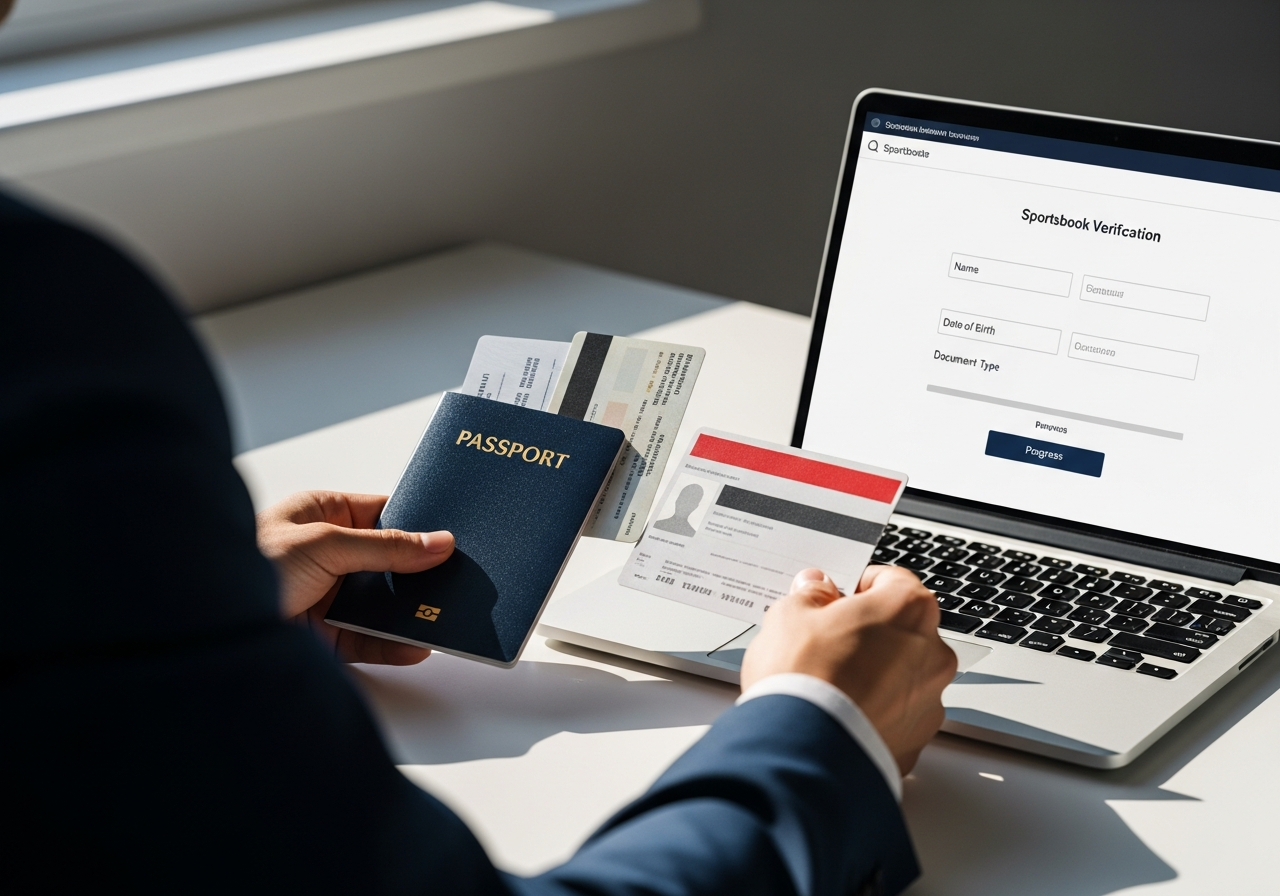
Ghana’s sports betting industry has undergone significant regulatory transformation, with new identity verification requirements fundamentally changing how operators process withdrawals. The introduction of mandatory Ghana Card biometric checks and enhanced passport verification protocols means that what once took hours or days can now extend into weeks, leaving many bettors frustrated with delayed payouts.
Recent regulatory changes have eliminated the possibility of anonymous withdrawals, requiring comprehensive identity verification for all transactions above minimal thresholds. Understanding these verification processes and preparing your documents correctly can dramatically reduce the time between withdrawal request and funds hitting your account, while avoiding the common pitfalls that trigger extended manual reviews.
How Ghana’s New ID Rules Affect Sportsbook Payout Delays
The Ghana Gaming Commission’s implementation of stricter identity verification protocols has fundamentally altered the withdrawal landscape for sports bettors across the country. These new regulations mandate biometric verification through Ghana Cards for all significant withdrawals, creating a multi-layered authentication process that operators must navigate before releasing funds. The shift represents a move from traditional document-based verification to advanced biometric systems that cross-reference government databases in real-time.
Under the updated framework, operators face substantial penalties for processing withdrawals without proper verification, leading many to adopt conservative approaches that prioritize compliance over speed. This regulatory environment has created a situation where even minor discrepancies in documentation can trigger extended review periods, as operators err on the side of caution to avoid regulatory sanctions.
The consequences for bettors who fail to complete proper identity verification extend beyond simple delays. Accounts may face temporary suspension, withdrawal limits may be imposed, and in severe cases, funds can be held indefinitely until compliance requirements are met. These regulatory shifts have made document preparation and accuracy more critical than ever for maintaining smooth access to winnings.
Perhaps most significantly, the new rules have created a tiered system where different verification levels unlock different withdrawal capabilities. Basic passport verification might allow small withdrawals, but accessing larger amounts requires full Ghana Card biometric authentication, creating a complex hierarchy of access that varies by operator and transaction amount.
What Biometric Gambling Verification Means in Ghana
Biometric verification in Ghana’s gambling context involves matching physical characteristics stored on Ghana Cards with live verification data submitted during the withdrawal process. This system goes beyond traditional document scanning, requiring real-time database queries that confirm identity through fingerprint data, facial recognition parameters, and other biometric markers embedded in the national ID system.
The significance of this technology lies in its ability to prevent identity fraud and ensure that winnings reach legitimate account holders. However, the complexity of biometric systems means that technical failures, database connectivity issues, or minor discrepancies in biometric data can trigger manual review processes that significantly extend payout timelines.
For operators, biometric verification provides enhanced compliance with anti-money laundering regulations while reducing the risk of fraudulent withdrawals. The system creates an audit trail that satisfies regulatory requirements and provides legal protection against accusations of facilitating illegal financial activity.
Common issues arise when biometric data doesn’t match perfectly due to factors like aging, injury, or technical glitches in the scanning process. These situations often require human intervention and additional documentation, explaining why some withdrawals that appear straightforward can suddenly enter extended review periods without clear explanation to the bettor.
From Old-School ID Checks to Ghana Card-First Verification
Traditional identity verification in Ghana’s betting industry relied primarily on passport scans and basic document authentication, processes that could typically be completed within 24-48 hours. The transition to Ghana Card-first verification has introduced biometric requirements that can extend this timeline significantly, particularly when technical issues arise or when bettors haven’t previously registered their biometric data properly.
The shift has created confusion among longtime bettors who were accustomed to passport-only verification processes. Many operators have struggled to communicate the new requirements clearly, leading to situations where bettors submit outdated documentation and face unexpected delays when their traditional verification methods no longer suffice.
During the transition period, different operators have adopted varying approaches to implementing the new requirements. Some have grandfathered existing verified accounts while requiring new verification for fresh registrations, while others have mandated universal re-verification, creating inconsistent experiences across platforms that continue to confuse users navigating withdrawal processes.
Why Ghana Sportsbooks Delay Payouts Until ID and Passport Verification
The primary drivers behind withdrawal delays stem from a complex web of regulatory, operational, and risk management factors that operators must navigate. Understanding these underlying causes helps bettors recognize why verification processes have become more stringent and time-consuming, while also highlighting areas where proper preparation can minimize delays.
Regulatory compliance represents the most significant factor, with operators facing substantial penalties for processing withdrawals without adequate verification. The Ghana Gaming Commission’s enforcement mechanisms include license suspension and hefty fines, creating powerful incentives for conservative verification approaches that prioritize thoroughness over speed.
Risk management considerations also play a crucial role, as operators must balance customer satisfaction with fraud prevention and financial security. Large withdrawal amounts trigger additional scrutiny regardless of verification status, while patterns of betting activity or account behavior can prompt enhanced due diligence processes that extend review timelines significantly.
- KYC Compliance Requirements: Mandatory Know Your Customer checks that verify identity, address, and financial information against government databases
- Biometric Data Mismatches: Discrepancies between Ghana Card biometric information and submitted verification documents
- Large Withdrawal Triggers: Amounts exceeding preset thresholds automatically enter enhanced review processes regardless of prior verification status
- Cross-Platform Verification: Checks against multiple databases to ensure account holder legitimacy and prevent duplicate accounts
- Anti-Money Laundering Protocols: Enhanced scrutiny for betting patterns or withdrawal requests that may indicate suspicious financial activity
- Document Quality Issues: Poor scan quality, expired documents, or illegible information that prevents automated processing
- Manual Review Queues: Backlog situations where verification teams cannot process requests as quickly as they are submitted
Regulatory, Risk and Operational Factors Behind Verification Queues
Sportsbook operators face the challenging task of maintaining rapid payout processing while implementing comprehensive fraud prevention measures that satisfy regulatory requirements. This balancing act often results in layered verification systems that can process straightforward cases quickly but require extended review periods for transactions that trigger multiple security flags or involve complex documentation scenarios.
Operational bottlenecks frequently develop during peak betting periods, particularly around major sporting events when withdrawal volumes spike dramatically. Limited verification staff, combined with increased transaction volumes, creates queue situations that can extend processing times well beyond normal parameters even for properly documented requests.
The integration of biometric verification systems has introduced additional technical complexities that can create delays independent of document quality or regulatory compliance. Database connectivity issues, system maintenance periods, and software integration problems can temporarily halt automated verification processes, forcing manual reviews that significantly extend processing timelines.
Risk assessment algorithms also contribute to queue development by flagging accounts for manual review based on betting patterns, deposit methods, or account activity that deviates from established norms. These algorithmic decisions often operate in the background without clear communication to bettors, creating situations where verification delays appear arbitrary or unexplained.
Ghana Card vs Passport: Which ID Really Controls Your Payout?
The relationship between Ghana Cards and passports in the withdrawal process has become increasingly complex, with different operators placing varying emphasis on each document type. While both serve as valid forms of identification, their roles in the verification hierarchy differ significantly, and understanding these distinctions can help bettors navigate the withdrawal process more effectively.
Ghana Cards have emerged as the primary verification document due to their biometric capabilities and direct integration with government databases. However, passports remain important for international verification and serve as crucial backup documentation when Ghana Card verification encounters technical difficulties or data discrepancies.
The key challenge arises when information between Ghana Cards and passports doesn’t align perfectly, creating verification conflicts that can significantly delay withdrawals. Name variations, address differences, or date discrepancies between documents can trigger manual review processes that require additional documentation to resolve.
| ID Type | Typical Use at Ghana Sportsbooks | Role in KYC/Payouts | Common Causes of Delay |
|---|---|---|---|
| Ghana Card | Primary verification for all withdrawals | Biometric authentication and database cross-reference | Biometric mismatch, database connectivity issues |
| International Passport | Secondary verification and backup documentation | Identity confirmation and international compliance | Document quality, expiration, name variations |
| Voter ID | Legacy verification for older accounts | Basic identity confirmation only | Limited database integration, outdated information |
| Driver’s License | Supplementary documentation | Address verification support | Address discrepancies, limited verification scope |
| NHIS Card | Rarely accepted for withdrawals | Basic identity support only | Insufficient verification capabilities |
When a Passport Alone Is Not Enough to Unlock Withdrawals
International passport verification, while comprehensive, often encounters limitations within Ghana’s betting ecosystem that can prevent successful withdrawal processing. The primary issue stems from the lack of integration between passport databases and Ghana’s national identification systems, creating gaps in the verification chain that operators must address through additional documentation requirements.
Passport-only verification frequently hits bottlenecks when operators need to confirm current address information or verify biometric data that isn’t readily accessible through international document systems. This situation particularly affects expatriates and frequent travelers who may not possess Ghana Cards but maintain active betting accounts with significant balances.
International bettors without Ghana Cards face additional challenges as operators increasingly require proof of legal residence or work authorization to process large withdrawals. These requirements reflect enhanced compliance measures that extend beyond basic identity verification to ensure full regulatory adherence for non-citizen account holders.
Technical integration issues also contribute to passport verification limitations, as many operators’ systems are optimized for Ghana Card processing rather than international document verification. This technological bias can result in passport submissions entering manual review queues automatically, regardless of document quality or account history, simply due to system limitations rather than verification concerns.
Aligning Your Ghana Card and Passport Details to Avoid Flags
Ensuring consistency between Ghana Card and passport information represents one of the most effective strategies for avoiding verification delays and potential account flags. Minor discrepancies in name spelling, date formats, or address information can trigger manual review processes that extend withdrawal timelines significantly, making document alignment a critical preparation step.
The most common alignment issues involve name variations where passports display full names while Ghana Cards may use abbreviated versions, or where marriage or other life events have created name changes that aren’t reflected consistently across documents. Addressing these discrepancies proactively through supporting documentation can prevent verification complications.
Address alignment presents particular challenges as passport addresses may reflect historical information while Ghana Cards show current details, creating potential conflicts that verification systems flag as suspicious. Maintaining current address information across all identification documents helps ensure smooth verification processing and reduces the likelihood of additional documentation requests.
Typical Verification and Payout Timelines at Ghana Sportsbooks
Understanding the verification timeline structure helps bettors set realistic expectations and plan their withdrawal strategies accordingly. The process typically unfolds in distinct stages, each with specific checkpoints that can either accelerate or delay the overall timeline depending on document quality and account status.
Best-case scenarios assume perfect document submission, existing verification history, and normal operational conditions, while worst-case timelines reflect complications, manual reviews, and operational delays that can extend processing significantly. The wide variance between these scenarios highlights the importance of proper preparation and understanding potential delay factors.
User preparedness plays the most significant role in determining which end of the timeline spectrum a withdrawal request will experience. Properly prepared documentation, consistent account information, and proactive compliance with verification requirements can often achieve best-case processing times even during busy periods.
| Stage | What the Sportsbook Checks | Best-Case Timeframe | Slow-Case Timeframe | What Can Delay You |
|---|---|---|---|---|
| Initial Submission | Document format and basic completeness | 15 minutes | 2-4 hours | Poor image quality, missing documents |
| Automated Verification | Database cross-reference and biometric matching | 2-6 hours | 24-72 hours | Database connectivity issues, biometric mismatches |
| Manual Review | Human verification of flagged cases | 1-2 business days | 5-10 business days | Review queue backlogs, complex cases |
| Funds Release | Final approval and payment processing | 1-4 hours | 12-24 hours | Payment processor delays, banking hours |
| Additional Documentation | Supplementary verification requirements | N/A if not required | 3-7 business days | Document sourcing delays, multiple submission rounds |
How Weekends, Match Days and System Downtime Stretch Timelines
Operational timing factors significantly impact verification processing, with weekends and holidays creating natural delays in manual review processes that can extend withdrawal timelines regardless of document quality. Many operators maintain limited verification staff during non-business hours, creating bottlenecks that affect processing speed even for straightforward cases.
Major sporting events create dual pressures on verification systems through increased withdrawal volumes and reduced staff availability as operators focus resources on managing live betting operations. These periods often see significant delays in manual review processes, making withdrawal timing an important strategic consideration for bettors planning around major tournaments or high-profile matches.
System maintenance windows and technical downtime can temporarily halt verification processes entirely, creating unexpected delays that operators may not communicate clearly to users. Understanding these operational realities helps bettors plan withdrawal timing to avoid peak congestion periods and minimize the impact of predictable delays on their access to funds.
Common Passport and ID Issues That Trigger Withdrawal Holds
Document-related issues represent the most frequent cause of withdrawal delays, with specific problems recurring across operators and account types. Understanding these common pitfalls enables bettors to avoid preventable delays through better document preparation and submission practices.
The frequency and severity of document issues often correlate with user preparation levels and technical literacy, suggesting that education and proper guidance can significantly reduce delay incidents. However, some issues stem from system limitations or process complexities that even well-prepared users may encounter.
Passport-related problems tend to center around technical quality and information accuracy, while broader identity verification issues often involve database connectivity or cross-reference complications that extend beyond individual document quality. Recognizing these distinctions helps identify which issues users can control versus those requiring operator resolution.
- Poor Document Image Quality: Blurry, dark, or partially obscured scans that prevent automated processing and require manual review or resubmission
- Expired or Soon-to-Expire Documents: Passports or IDs nearing expiration dates that trigger additional verification requirements or automatic rejection
- Name Mismatches Across Documents: Variations in name spelling, formatting, or completeness between different identification documents
- Address Inconsistencies: Different addresses listed on various documents or account information that don’t align with submitted verification materials
- Document Authenticity Concerns: Quality issues or formatting irregularities that trigger fraud prevention algorithms and manual authentication processes
- Incomplete Information Visibility: Folded, cropped, or partially visible document sections that prevent complete information extraction
- Database Connection Failures: Technical issues preventing real-time verification against government databases, forcing extended manual review periods
Expired, Damaged or Unreadable Passport Photos
Document image quality represents one of the most controllable factors in the verification process, yet poor scanning practices continue to cause significant delays for many bettors. High-quality document scans require proper lighting, stable positioning, and appropriate resolution settings that many users overlook when preparing verification materials.
Solutions for improving document quality include using document scanner apps rather than basic camera functions, ensuring adequate lighting without glare or shadows, and positioning documents on flat surfaces with all edges and text clearly visible. Taking multiple shots and selecting the clearest option can prevent rejection and resubmission cycles that add days to processing timelines.
Damaged passports present particular challenges as physical deterioration can affect both image quality and information visibility, sometimes requiring passport renewal before verification can proceed successfully. Planning for these situations by maintaining current, undamaged documents prevents last-minute complications that can delay access to winnings significantly.
Name and Address Mismatches Between IDs and Account
Information consistency across verification documents and account details represents a critical factor in smooth processing, with even minor discrepancies capable of triggering extended manual review periods. Common mismatch scenarios include nickname usage in account registration versus full legal names on official documents, creating apparent identity conflicts that require additional verification.
Address mismatches often arise from account information that becomes outdated over time while official documents reflect current details, or conversely, when accounts show current information but submitted documents contain historical addresses. These discrepancies can suggest fraudulent activity to automated systems, triggering security protocols that significantly extend processing timelines.
Resolving mismatches typically requires submitting additional documentation that bridges the gaps between different information sources, such as utility bills, bank statements, or official correspondence that confirms the connection between various addresses or name variations. Proactively maintaining consistent information across all platforms and documents prevents these complications.
The complexity of mismatch resolution often depends on the nature and extent of the discrepancies, with minor spelling variations typically resolving faster than significant address or name differences that may require extensive documentation to verify legitimacy and maintain account security.
KYC and Biometric Rules: What Ghana Sportsbooks Are Legally Required to Do
Ghana’s regulatory framework mandates comprehensive Know Your Customer procedures that include biometric verification through Ghana Card systems for all significant gambling transactions. These requirements stem from anti-money laundering legislation and responsible gambling initiatives that place legal obligations on operators to verify customer identities thoroughly before processing withdrawals.
The legal foundation requires operators to maintain detailed records of verification processes, including biometric confirmation, database cross-references, and documentation of any discrepancies or unusual findings. Failure to comply with these requirements can result in significant penalties, including license suspension and substantial fines that create powerful incentives for thorough verification processes.
Biometric verification requirements extend beyond simple identity confirmation to include real-time database queries that confirm the legitimacy of submitted Ghana Cards and cross-reference personal information against government records. This process ensures that operators can demonstrate full compliance with regulatory requirements while protecting themselves from liability associated with fraudulent account activity.
Operators who skip mandatory verification steps face escalating enforcement actions that can threaten business viability, explaining why many adopt conservative approaches that prioritize compliance over processing speed. Understanding these legal pressures helps bettors appreciate why verification processes have become more stringent and time-consuming rather than viewing delays as arbitrary business practices.
The regulatory environment continues to evolve with enhanced enforcement mechanisms and expanded verification requirements that reflect broader trends toward financial transparency and fraud prevention in Ghana’s gaming industry. These developments suggest that verification processes may become even more comprehensive over time rather than returning to earlier, simpler systems.
How Operator Terms & Conditions Justify Holding Your Funds
Standard terms and conditions across Ghana’s sports betting industry include comprehensive clauses that grant operators broad authority to hold funds pending verification completion, creating legal frameworks that support extended review periods when compliance concerns arise. These contractual provisions typically specify that operators may suspend withdrawals indefinitely until satisfactory verification is achieved, regardless of account history or deposit methods.
The legal structure of these terms provides operators with significant protection against customer complaints related to verification delays, as users agree to these conditions during account creation. However, the terms also establish parameters for reasonable processing timelines and documentation requirements that can provide recourse when operators exceed standard practices without justification.
Understanding the specific terms applicable to your account helps identify situations where operators may be exceeding their contractual authority versus operating within established guidelines that users have accepted. This knowledge becomes crucial when escalating delayed withdrawals or seeking external assistance with unresolved verification issues.
Terms and conditions also typically specify the types of documentation that operators may request and the circumstances that trigger enhanced verification procedures, providing guidance for users seeking to understand why their accounts have entered extended review periods or what additional information may be required for resolution.
How to Prepare Your Documents to Avoid Payout Delays
Proactive document preparation represents the most effective strategy for minimizing verification delays and ensuring smooth withdrawal processing. The key lies in understanding operator requirements thoroughly and preparing comprehensive documentation packages that address potential verification triggers before they cause delays.
Document quality and consistency emerge as the primary factors within user control that significantly impact processing timelines. Investing time in proper scanning techniques, information alignment, and comprehensive preparation typically reduces verification time dramatically compared to reactive approaches that address issues after they arise.
Professional scanning and alignment practices can transform the verification experience from a source of frustration to a routine process that completes predictably and efficiently. The effort required for proper preparation represents a small investment compared to the potential delays and complications that result from inadequate documentation.
- Scan Documents in High Resolution: Use 300 DPI or higher settings with proper lighting to ensure all text and images are clearly visible
- Verify Information Consistency: Ensure names, addresses, and dates match exactly across all documents and account information
- Submit Current, Unexpired Documents: Check expiration dates and renew documents with less than six months validity remaining
- Include All Required Pages: Scan entire passport including signature page and any pages with relevant stamps or visas
- Prepare Supporting Documentation: Gather utility bills, bank statements, and other verification materials before starting the process
- Test Upload Functionality: Verify that document files meet size and format requirements before final submission
- Document Backup Copies: Maintain digital copies of all submitted materials for reference during any follow-up requests
Best Practices for Scanning and Uploading Your Passport and Ghana Card
Achieving optimal document scan quality requires attention to technical specifications and proper preparation techniques that many users overlook. Using dedicated scanning applications rather than basic camera functions typically produces superior results with better lighting compensation and automatic edge detection that ensures complete document capture.
Proper positioning involves placing documents on flat, contrasting surfaces with adequate lighting from multiple angles to eliminate shadows and ensure uniform illumination across the entire document. Taking multiple scans and selecting the clearest version helps avoid rejection cycles that can add significant time to the verification process.
File format and size considerations also impact processing success, with most operators preferring PDF or high-quality JPEG formats within specific file size ranges that balance image quality with upload efficiency. Testing these specifications before final submission prevents technical rejections that require complete resubmission of documentation packages.
Completing Full KYC Before Your First Large Withdrawal
Proactive KYC completion represents a strategic approach that prevents verification delays during critical withdrawal situations when access to funds may be urgent. Many bettors wait until they need to withdraw significant amounts before beginning verification processes, creating pressure situations where delays become particularly frustrating and problematic.
Early verification also allows time to address any documentation issues or information discrepancies in a low-pressure environment where delays don’t immediately impact access to winnings. This approach often reveals requirements or complications that can be resolved systematically rather than under the pressure of pending withdrawals.
The process typically involves submitting comprehensive documentation during account setup or after initial small deposits, allowing verification to complete before significant betting activity begins. This strategy transforms verification from a withdrawal obstacle into a routine account setup step that eliminates future complications.
Understanding operator-specific verification triggers helps determine appropriate timing for proactive KYC completion, as different platforms may have varying thresholds or requirements that affect when comprehensive verification becomes mandatory versus optional. Planning around these thresholds prevents unexpected verification requirements during withdrawal attempts.
Sportsbook Practices in Ghana: How Different Operators Handle Verification
Verification practices vary significantly across Ghana’s sports betting landscape, with different operator types implementing distinct approaches to identity confirmation and payout processing. Understanding these variations helps bettors select platforms that align with their verification preferences and withdrawal timeline expectations.
Local operators often maintain stricter adherence to Ghana-specific verification requirements, including mandatory Ghana Card verification for all significant withdrawals, while international brands may offer more flexibility in document acceptance but face longer processing times for local compliance verification. These differences reflect varying regulatory strategies and operational priorities across operator types.
The competitive landscape has created some standardization around basic verification requirements, but significant differences remain in processing timelines, manual review thresholds, and customer communication practices that can dramatically impact user experience during withdrawal processes. Recognizing these patterns helps inform operator selection and withdrawal planning strategies.
| Operator Type | Primary ID Requirement | When KYC is Enforced | Known Payout Speed Range | Notable Verification Quirks |
|---|---|---|---|---|
| Local Ghana Operators | Ghana Card mandatory | All withdrawals above GHS 500 | 4-72 hours | Strict biometric requirements, limited passport acceptance |
| International Brands | Passport or Ghana Card | First withdrawal or GHS 2000+ | 12-120 hours | Multiple document options, longer processing times |
| Mobile-Only Platforms | Phone-based verification plus Ghana Card | Account creation and withdrawals | 2-48 hours | SMS verification integration, simplified upload process |
| Exchange Betting Sites | Enhanced documentation requirements | Account creation mandatory | 24-168 hours | Financial background checks, source of funds verification |
| Cryptocurrency Sportsbooks | Minimal traditional verification | Large withdrawals only | 1-24 hours | Blockchain verification focus, limited traditional KYC |
Local vs International Brands: Withdrawal Expectations for Ghana Bettors
Local Ghana operators typically offer faster processing once verification is complete but maintain stricter documentation requirements that can create higher barriers for initial verification completion. These operators often have direct integration with Ghana’s national database systems, enabling rapid biometric verification when technical systems function properly.
International brands frequently provide more flexibility in document acceptance and may offer alternative verification pathways for users lacking Ghana Cards, but their processing systems often require additional time for local compliance verification. These operators must balance global verification standards with Ghana-specific regulatory requirements, sometimes creating complex processes that extend timelines.
The choice between operator types often involves trading off verification flexibility against processing speed, with user circumstances determining which approach provides better overall experience. Users with complete Ghana documentation may prefer local operators, while those with complex document situations might benefit from international brands’ flexibility.
Reputation and regulatory standing represent additional factors in operator selection, as established operators with strong compliance records often provide more predictable verification experiences than newer or less regulated platforms that may have inconsistent processes or limited customer support capabilities for resolving verification complications.
Escalating a Stuck Withdrawal: Support, Complaints and Red Flags
When verification delays extend beyond reasonable timeframes, systematic escalation becomes necessary to resolve stuck withdrawals and access rightfully won funds. Understanding escalation pathways and gathering appropriate documentation before contacting support significantly improves resolution success rates and reduces overall delay periods.
Effective escalation requires distinguishing between legitimate processing delays and potential red flags that may indicate problematic operator practices or systemic issues requiring external intervention. Recognizing these differences helps determine appropriate escalation strategies and when to seek regulatory assistance.
Documentation and communication records become crucial evidence when escalating verification disputes, making systematic record-keeping an important practice throughout the verification process. These records provide essential support for complaints and help demonstrate operator compliance failures when seeking external assistance.
- Document All Communication: Save screenshots, emails, and chat transcripts related to verification requests and operator responses
- Contact Customer Support with Specific Details: Provide account numbers, submission dates, and specific issues rather than general complaints
- Request Escalation to Verification Specialists: Ask for transfer to dedicated verification teams rather than general customer service representatives
- Submit Formal Complaints Through Operator Channels: Use official complaint procedures outlined in operator terms and conditions
- Contact Ghana Gaming Commission: File regulatory complaints for operators who fail to respond appropriately to escalation requests
- Seek Legal Consultation: Consider legal advice for significant amounts when regulatory channels fail to provide adequate resolution
- Document Timeline and Financial Impact: Maintain detailed records of delays and any financial consequences for potential compensation claims
Information to Gather Before Contacting Support
Preparing comprehensive documentation before initiating support contact significantly improves resolution efficiency and demonstrates systematic approach to verification compliance. Essential information includes account details, submission timestamps, document specifications, and any previous communication regarding the verification process.
Supporting evidence should encompass screenshots of document uploads, confirmation messages, and any error notifications received during the verification process. This documentation helps support teams identify specific technical issues or process failures that may be causing delays beyond normal review periods.
Financial impact documentation becomes important for escalation purposes, including evidence of any costs incurred due to delayed access to funds and timeline information that demonstrates unreasonable processing delays relative to operator commitments or industry standards.
When a ‘Verification Delay’ May Signal a Rogue Operator
Legitimate verification delays typically involve clear communication about requirements, realistic timelines, and responsive customer support that provides specific guidance for resolution. Operators who fail to communicate clearly or provide contradictory requirements may be using verification processes to delay or deny legitimate withdrawals inappropriately.
Red flags include requests for excessive documentation beyond standard KYC requirements, repeated rejection of properly prepared documents without clear explanation, or sudden implementation of new verification requirements for previously verified accounts. These practices may indicate operators attempting to create barriers to legitimate withdrawals.
Unresponsive customer support, failure to provide escalation pathways, or operators who cannot provide specific timelines for verification completion represent serious warning signs that may require regulatory intervention or consideration of operator reputation and licensing status.
Technical excuses that persist for extended periods without resolution efforts, particularly when combined with poor communication or changing requirements, often indicate systemic issues that may require external assistance to resolve effectively. Understanding these patterns helps identify when patience with normal delays should transition to more aggressive resolution strategies.
Responsible Gambling and Data Privacy Around ID Verification
The integration of identity verification with responsible gambling measures creates additional layers of oversight that can impact withdrawal processing while providing important player protection benefits. Ghana’s regulatory framework links identity verification to gambling behavior monitoring, enabling operators to identify potential problem gambling patterns and implement appropriate interventions.
Data privacy considerations around identity verification require operators to maintain secure storage and handling of sensitive biometric and personal information while providing verification services. Understanding these privacy protections helps users make informed decisions about document submission and operator selection based on security capabilities and privacy policies.
The responsible gambling framework uses verification data to enforce deposit limits, self-exclusion programs, and other player protection measures that may temporarily restrict account access even when verification is complete. These systems represent important safeguards but can create confusion when withdrawal restrictions stem from protection algorithms rather than verification status.
Balancing Fast Payouts with Safety of Your Identity Documents
Protecting sensitive identity information during verification processes requires selecting operators with strong security protocols and understanding the risks associated with document submission to various platforms. Evaluating operator security credentials and data handling policies helps minimize exposure while maintaining access to betting services.
Security-first document practices include using secure internet connections for uploads, verifying operator legitimacy before submitting documents, and maintaining personal records of all submitted materials for reference and potential dispute resolution. These practices provide protection against identity theft while enabling smooth verification completion.
Balancing convenience with security often involves accepting longer processing timelines with more secure operators rather than prioritizing speed with platforms that may have questionable security practices or unclear data handling policies. This approach protects long-term financial security while maintaining access to legitimate betting opportunities.
Key Takeaways for Avoiding Payout Delays at Ghana Sportsbooks
Successful navigation of Ghana’s sports betting verification landscape requires strategic preparation, understanding of regulatory requirements, and proactive management of documentation and account information. The key lies in treating verification as an ongoing compliance requirement rather than a one-time obstacle to overcome.
Prevention remains more effective than remediation when addressing verification delays, making investment in proper preparation and documentation maintenance worthwhile for regular bettors. Understanding operator practices and regulatory requirements enables strategic decision-making that minimizes delays while maintaining access to preferred betting platforms.
| Action | Why It Matters for Payout Speed | When to Do It | Risk If Ignored |
|---|---|---|---|
| Complete Early KYC Verification | Eliminates verification delays during withdrawal requests | During account setup or after first deposit | Unexpected delays when withdrawing winnings |
| Align Ghana Card and Passport Information | Prevents mismatch flags that trigger manual review | Before submitting verification documents | Extended manual review periods for information discrepancies |
| Maintain High-Quality Document Scans | Enables automated processing without human review | When preparing verification materials | Document rejection requiring resubmission and additional delays |
| Choose Operators with Clear Verification Policies | Provides predictable processing timelines and requirements | During platform selection process | Unclear requirements and unpredictable processing delays |
| Keep Documents Current and Unexpired | Avoids automatic rejection for expired documentation | Monitor expiration dates regularly | Document renewal requirements causing significant processing delays |
| Document All Verification Communications | Provides evidence for dispute resolution and escalation | Throughout entire verification process | Limited recourse options for resolving verification disputes |
| Understand Operator-Specific Requirements | Enables proper preparation for platform-specific processes | Before choosing betting platforms | Surprises during verification that could have been avoided |
Building a Personal Checklist Before You Withdraw
- Verify Document Currency: Check that all identification documents have at least six months remaining before expiration
- Confirm Information Alignment: Ensure names, addresses, and personal details match exactly across Ghana Card, passport, and account information
- Test Document Quality: Review scanned documents for clarity, complete visibility, and proper lighting before submission
- Prepare Supporting Materials: Gather utility bills, bank statements, and other verification documents that may be requested
- Review Account Information: Update any outdated personal information in your betting account to match current documentation
- Research Operator Requirements: Understand specific verification procedures and timelines for your chosen platform before initiating withdrawals